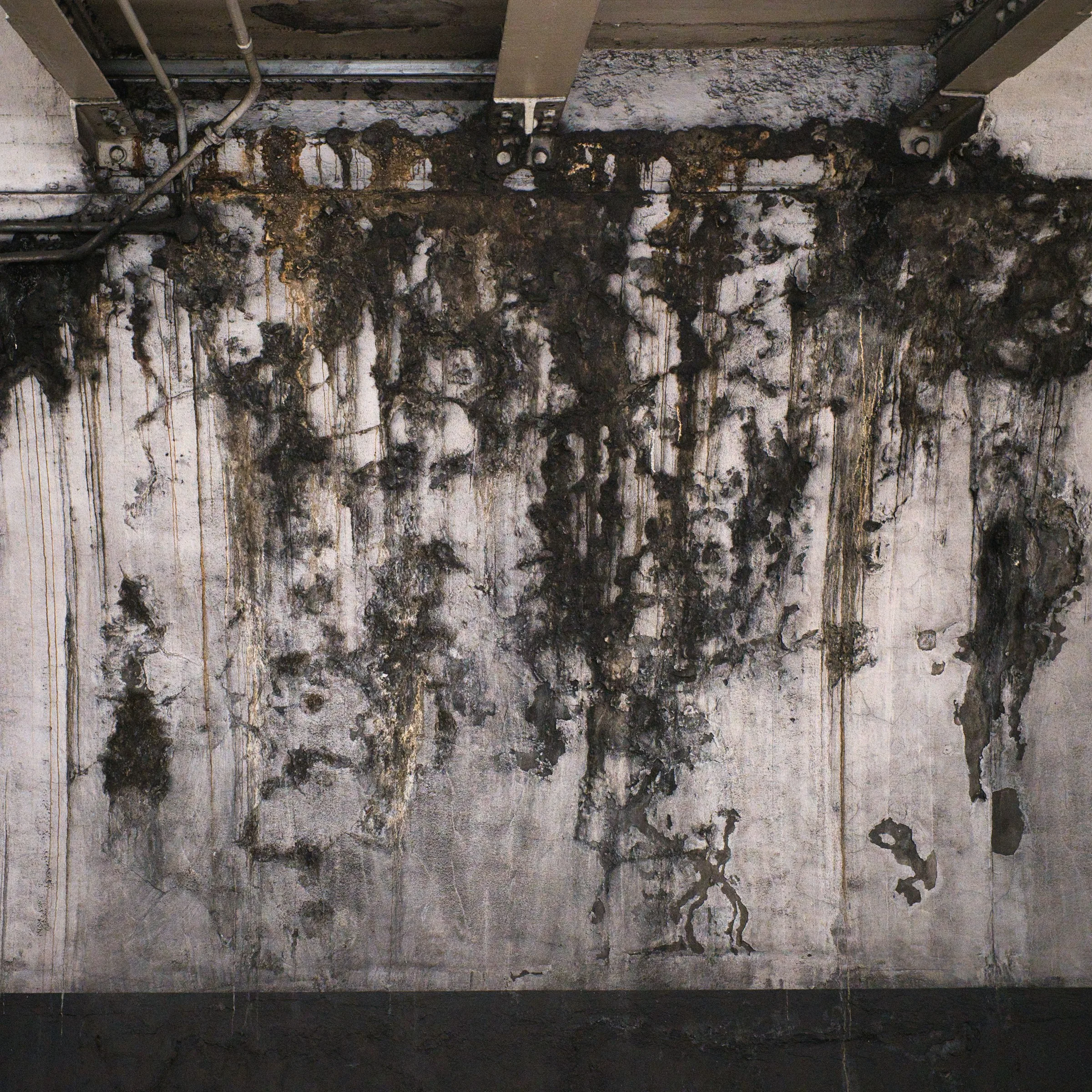
Water Damage Mold Remediation in Colorado Springs
Water Damage Mold Remediation in Colorado Springs. Call (719) 782-8899 for a free quote.
When water damage turns into a mold problem
Mold needs moisture, organic material to feed on, and time. After a water event — a burst pipe, a roof leak, a basement flood, an overflowed washing machine — the clock starts. Within 24 to 48 hours, conditions are right for mold growth. By day three to seven, visible colonies appear. By the time you smell something a few weeks later, the mold is already established in materials you can’t see.
Most of our water-damage mold calls in Colorado Springs come from one of three scenarios:
-
A “cleaned-up” event that wasn’t fully dried. Someone shop-vacced the standing water and ran a couple of box fans. Drywall and subfloor felt dry to the touch. Two weeks later, the smell.
-
A slow leak that ran for weeks before being caught. Refrigerator water line, dishwasher supply line, or a tiny pinhole in a copper pipe inside a wall. Each one delivers gallons over time without any visible flooding.
-
A category-three water event — sewage backup, contaminated floodwater, septic backup — where the cleanup was visual but the underlying biological contamination wasn’t addressed.
Why “just dry it” doesn’t work after a couple of weeks
If a water event is caught and dried within 24 to 48 hours, mold doesn’t establish. But once growth has started inside wall cavities, under flooring, or behind cabinets, you’re not dealing with a moisture problem anymore — you’re dealing with a colonized-material problem. The fix isn’t more fans. The fix is to remove the colonized material, treat the surrounding surfaces, and verify the air before closing the wall back up.
The EPA’s mold cleanup guide is clear on this: porous materials that have been wet for more than 48 hours and that show mold growth need to be removed, not cleaned in place.
Our process for water-damage mold
This is one of the most common services we provide. Procedure follows IICRC S520 plus the water-restoration standard S500:
-
Source confirmation. We verify the water source is shut off and identify any remaining intrusion path. If the source is still live (an unresolved leak in a wall or roof), we stop, fix the source, and come back to do the remediation. Working on an active leak is wasted money.
-
Moisture mapping. We use moisture meters and thermal cameras to map the actual extent of moisture penetration. This usually reveals more affected area than is visible from the surface.
-
Containment. Same as any S520 job: poly sheeting, zippered doorways, HEPA-filtered negative-air machines pulling air into the work zone.
-
Selective removal. Drywall, baseboards, carpet pad, and subfloor that have been wet beyond drying threshold get removed. Affected insulation comes out. Cabinet bases, if they were standing in water, may need removal.
-
Structural drying. Once the colonized material is gone and the remaining structure is reachable, we run dehumidifiers and directional air movers until materials are below 16 percent moisture content. Then we verify with handheld meters.
-
Antimicrobial treatment of remaining surfaces. EPA-registered product applied to framing, subfloor, and any surface that was exposed to the moisture or to airborne spores during the removal.
-
Clearance. Visual on smaller jobs. Air sampling sent to a third-party lab on larger ones.
What you’ll get
Every water-damage mold job includes:
- A free assessment with moisture mapping using thermal imaging
- A written fixed-price quote with the scope of work spelled out
- Full S520 containment for the duration of the job
- Daily photo + moisture-reading log you can share with an insurer
- A completion report with before-and-after readings
- For jobs over $5,000: third-party post-clearance air sampling
We also coordinate directly with adjusters when you have an open insurance claim. You don’t have to be the go-between.
Typical pricing in Colorado Springs
- Small water event with localized mold, single room: $2,000–$4,500
- Multi-room water damage with mold, bathroom + adjacent rooms: $4,500–$9,000
- Major water event affecting basement or multi-level: $9,000–$20,000+
For homeowner-insurance covered events, we work with adjusters and provide the documentation insurers ask for: scope of work, moisture readings before and after, photos of affected materials, lab results if requested.
When to call
The window matters. If you’ve had a water event in the last 24 to 48 hours, the right call is to a water-restoration company — they’ll dry it correctly so mold never gets started, and the bill is much smaller. If the water event was a week or two ago and you’re starting to smell something or see discoloration, call us instead — mold has likely begun and continued drying without addressing the colonized material won’t solve it.
For a fuller homeowner-side overview of mold and water damage, see the CDC mold information page and the Colorado Department of Public Health’s healthy homes resources.
Frequently asked questions
How fast does mold grow after water damage?
Will my homeowner's insurance cover this?
What's the difference between a water restoration company and a mold remediator?
Can I just dry it out myself with fans?
Do I need to replace my drywall?
Will mold spores spread to the rest of my house during the work?
For a free assessment, call (719) 782-8899.